• Skip to main content
  • Skip to footer

Sergeant Bluff Eye Care

  • Locations
    • Le Mars Eye Care
      • Le Mars Eye Care Venmo
    • Marcus Eye Care
    • Wayne Eye Care
    • Harlan Eye Care
  • About Us
    • Meet The Doctors
    • Meet the Team
  • Vision Care
    • Cataract Surgery
    • Comprehensive Eye Exams
    • Corneal Mapping
    • Digital Retinal Imaging
    • Dry Eye Treatment
    • Eye Emergencies
    • Glaucoma Testing
    • Macular Degeneration
    • Ocular Surgery
  • New Patient
    • Schedule an Appointment
  • Vision Store
  • Patient Resources
    • Custom Dry Eye Treatment Plan
    • What is Amblyopia
    • Hard Contact Lens Care
    • Myopia Management
    • Ortho-k Treatment
    • Avulux Migraine Lens
    • Neurolens Technology
    • Stellest
    • Essilor Eyezen Lens
  • Contact
    • Schedule an Appointment
  • Sgt. Bluff Eye Care Payments
    • Venmo

Sergeant Bluff Eyecare

April 25, 2017 By Sergeant Bluff Eyecare

Dealing with Low Vision

Low vision is significant vision impairment that usually results from serious eye disease or an injury. The vision loss, which is characterized by either reduced visual acuity (to 20/70 or worse) or reduced field of view, can’t be fully corrected with glasses, contact lenses, medication or surgery.

Low vision can affect both children and adults, but is more common in the elderly, who are at greater risk of eye diseases such as glaucoma, macular degeneration and cataracts, which are some of the most common causes of the condition.

Patients with low vision may have complete central or peripheral vision loss, blurry vision, poor low-light vision, loss of light sensitivity and/or loss of contrast, making daily activities such as writing, watching TV, driving or reading difficult or impossible. Since the vision loss can’t be corrected, low vision requires significant adjustments to daily life and the help of techniques and specialized low vision aids to help you maximize your remaining vision to increase independence and quality of life.

What are causes of low vision?

  • Eye diseases such as: glaucoma, macular degeneration, cataracts, diabetic retinopathy, and retinitis pigmentosa
  • Eye injury or brain injury
  • Heredity

How does low vision affect eyesight?

Low vision is partial vision loss which varies from person to person. Depending on the severity and type of vision impairment, the patient may have some useful vision. Typically the impairment includes a significant reduction in visual acuity to worse than 20/70, hazy, blurred vision, blind spots or significant visual field loss and tunnel vision. Sometimes the extent of vision loss is considered to be legal blindness (20/200 or less visual acuity in the better eye) or almost total blindness.

How does low vision affect daily life?

With significant vision loss it can become challenging to complete common daily tasks including reading, writing, cooking and housework, watching television, driving or even recognizing people.

When low vision is diagnosed it can come as a shock. Initially, it is an adjustment to learn how to function with impaired vision but the good news is there are numerous resources and products available to assist. Because low vision often results in one’s inability to work, function independently, drive and resume normal life, many patients feel isolated and depressed.

Visual Rehabilitation and Visual Aids

Low vision means that a minimal amount of sight remains intact. There are millions of people who suffer from the condition and manage to function with the remaining vision available to them through the use of visual rehabilitation or visual aids.

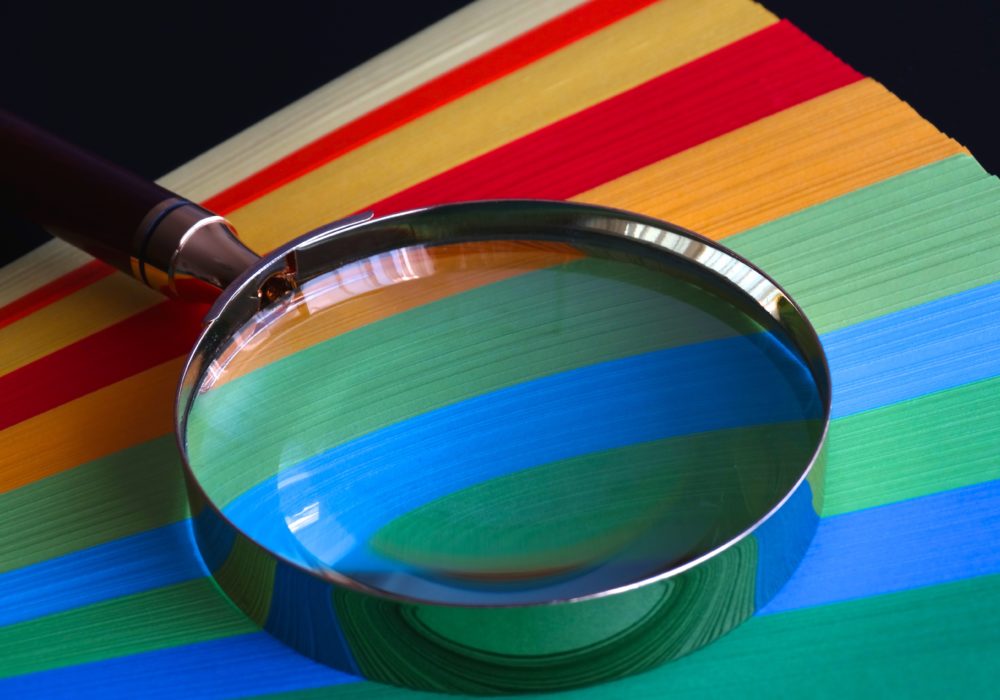
Visual aids are devices that help people with low vision function by maximizing remaining eyesight. This often involves the use of magnifiers (handheld, mounted or stand-alone), telescopes and other tools to enlarge the images of objects to make them more visible. Some visual aids reduce glare and enhance contrast which makes it easier to see. Other low vision aids act as guides to help the person focus on non-visual cues, such as sound or feel. Finding the right visual aid is a matter of consulting with a professional and experimenting with what works for you and your daily needs.

How to make life with low vision easier

  • Ensure that you have adequate lighting in your home. This may require some trial and error with different lights and voltages to determine what works best for you.
  • Use a magnifier. There is a vast selection of magnifiers available, ranging from handheld to stand magnifiers. Binoculars and spectacle mounted magnifiers are also an option.
  • Your optometrist or low vision specialist can recommend specialized lens tints for certain conditions such as retinitis pigmentosa or cataracts, which enhance vision or reduce light sensitivity.
  • Use large print books for reading. Alternatively, try digital recordings or mp3s.
  • Make use of high contrast for writing. Try writing in large letters with a broad black pen on a white piece of paper or board.
  • Adding a high-contrast stripe on steps (bright color on dark staircase, or black stripe on light stairs) can prevent falls in people with low vision, and may enable them to remain independent in their home.
  • Find out what other technology is available to help make your life simpler.

If you or a loved one has low vision, don’t despair. Be sure to consult with your eye doctor about the best course of action to take to simplify life with low vision.
April 18, 2017 By Sergeant Bluff Eyecare

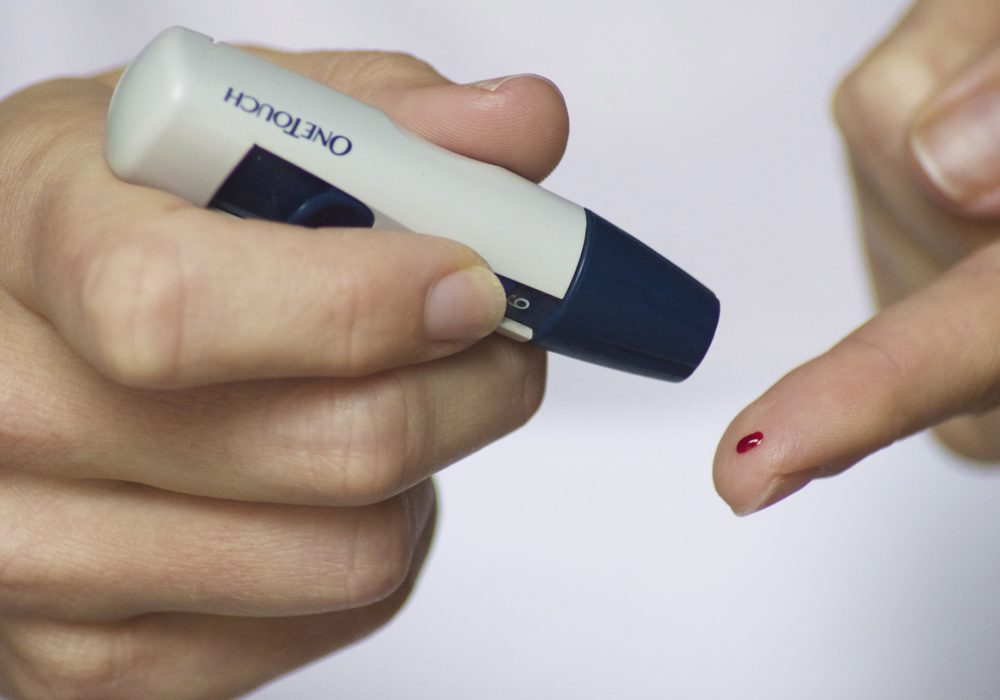
How Diabetes Can Affect Your Vision

Over 21 million people in the United States have diabetes, with an estimated additional 6 million people unaware they have a form of the disease. What’s more, an estimated 54 million Americans ages 40 to 74 have prediabetes, a condition that puts them at risk for developing type 2 diabetes. According to a recent American Optometric Association survey, diabetes is the leading cause of new cases of blindness among adults ages 20 to 74.

Diabetes is a disease that affects the way we process food for energy and growth. With all forms of diabetes—type 1, type 2 and gestational diabetes—the body has trouble converting sugar in the blood into energy, resulting in a host of potential health problems.

Diabetes increases the likelihood that common diabetes-related vision problems or diseases might occur:

  • Diabetics are prone to developing cataracts (a clouding of the eye’s lens) at an earlier age.
  • People with diabetes are almost 50% more likely to develop glaucoma, an eye disorder that damages the optic nerve often marked by an increase of internal eye pressure.
  • Macular edema (and macular degeneration) are more common in diabetics due to malfunctioning blood vessels in the middle region of the retina responsible for central, sharp vision.
  • Most notably, diabetes can result in diabetic retinopathy; an eye disease that affects the blood vessels in the all-important retina. Nearly 45 percent of Americans diagnosed with diabetes have some stage of diabetic retinopathy.

That’s why there’s no separating diabetes and vision. If you have diabetes, then you should understand vision problems that increase in likelihood as a result of the disease.

Diabetic Retinopathy

Diabetic retinopathy involves swelling, leaking or abnormal growth of blood vessels in or near the retina. There are multiple stages to this disease, the earliest of which may not present any symptoms you can see.

In the early stage of diabetic retinopathy, called background or non-proliferative retinopathy, high blood sugar in the retina damages blood vessels, which bleed or leak fluid. This leaking or bleeding causes swelling in the retina, which forms deposits.

In the later stage of diabetic retinopathy, called proliferative retinopathy, new blood vessels begin to grow on the retinal. These new blood vessels may break, causing bleeding into the vitreous, which is the clear gelatinous matter that fills the inside of the eye. This breakage can cause serious vision difficulties. This form of diabetic retinopathy can cause blindness, and is therefore the more serious form of the disease.

Symptoms include:

  • Blurred or cloudy vision
  • Seeing floaters or spots
  • Difficulty reading or seeing close objects
  • Double Vision
  • Poor Night Vision

That’s why comprehensive eye exams are so important when thinking about diabetes and eye sight—both type 1 and type 2 diabetics are at risk for developing diabetic retinopathy, and the longer you have diabetes, the more likely you are to develop some form of the disease.

Treatment

95% of people diagnosed with diabetic retinopathy, if treated promptly, can avoid significant vision loss.

Laser photocoagulation treatment seals off blood vessels that are leaking into the eye, and stops new blood vessels from growing. This laser treatment only takes a few moments, and is painless.

Sometimes in diabetic retinopathy, blood leaks into the vitreous humor in the eye, clouding vision. Some eye doctors wait before choosing treatment, as the blood may dissipate by itself. Another treatment option is a vitrectomy, which removes blood that has already leaked into the vitreous humor.

To improve the supply of blood to the core inner portion of the retina, a laser may be used to destroy tissue on the outside of the retina which is not essential for basic vision. This procedure is used to save vision.

Lucentis is a medication that is administered by an eye doctor using injections. This medication was approved by the FDA is 2015, and is the first non-laser treatment approved by the FDA. The FDA is currently reviewing several other non-laser treatments for diabetic retinopathy.

Please contact us today to schedule your next eye exam!

April 11, 2017 By Sergeant Bluff Eyecare

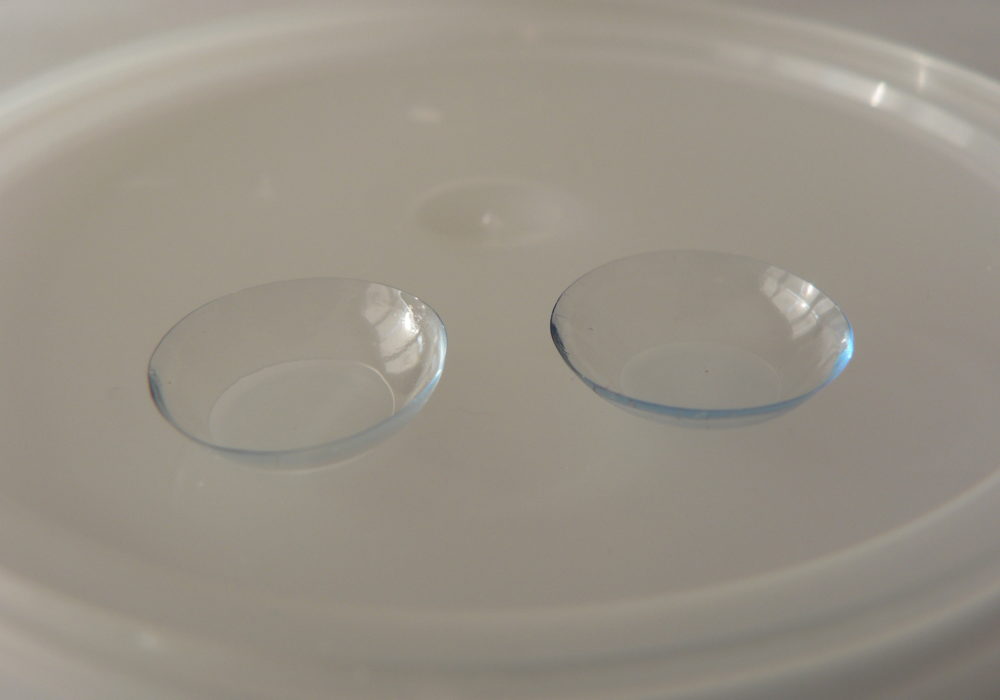
Finding the Right Contact Lenses

Contact lenses are a great alternative to wearing eyeglasses. An often unknown fact is that not all patients wear contact lenses as their primary source of vision correction. Each patient is different, with some patients wearing contact lenses only on weekends, special occasions or just for sports. That is the beauty of contact lens wear, the flexibility it gives each individual patient and their lifestyle.

If you decide to opt for contact lens wear, it is very important that the lenses fit properly and comfortably and that you understand contact lens safety and hygiene. A contact lens exam will include both a comprehensive eye exam to check your overall eye health, your general vision prescription and then a contact lens consultation and measurement to determine the proper lens fit.

Whether or not you have vision problems, it is important to have your eyes checked regularly to ensure they are healthy and that there are no signs of a developing eye condition. A comprehensive eye exam will check the general health of your eyes as well as the quality of your vision. During this exam the eye doctor will determine your prescription for eyeglasses, however this prescription alone is not sufficient for contact lenses. The doctor may also check for any eye health issues that could interfere with the comfort and success of contact lens wear.

The Contact Lens Consultation

The contact lens industry is always developing new innovations to make contacts more comfortable, convenient and accessible. Therefore, one of the initial steps in a contact lens consultation is to discuss with your eye doctor some lifestyle and health considerations that could impact the type of contacts that suit you best.

Some of the options to consider are whether you would prefer daily disposables or monthly disposable lenses, as well as soft versus rigid gas permeable (GP) lenses. If you have any particular eye conditions, such as astigmatism or dry eye syndrome, your eye doctor might have specific recommendations for the right type or brand for your optimal comfort and vision needs.

Now is the time to tell your eye doctor if you would like to consider colored contact lenses as well. If you are over 40 and experience problems seeing small print, for which you need bifocals to see close objects, your eye doctor may recommend multifocal lenses or a combination of multifocal and monovision lenses to correct your unique vision needs.

Contact Lens Fitting

One size does not fit all when it comes to contact lenses. Your eye doctor will need to take some measurements to properly fit your contact lenses. Contact lenses that do not fit properly could cause discomfort, blurry vision or even damage the eye. Here are some of the measurements your eye doctor will take for a contact lens fitting:

Corneal Curvature

In order to assure that the fitting curve of the lens properly fits the curve of your eye, your doctor will measure the curvature of the cornea or front surface of the eye. The curvature is measured with an instrument called a keratometer to determine the appropriate curve for your contact lenses. If you have astigmatism, the curvature of your cornea is not perfectly round and therefore a “toric” lens, which is designed specifically for an eye with astigmatism, would be fit to provide the best vision and lens fit. In certain cases your eye doctor may decide to measure your cornea in greater detail with a mapping of the corneal surface called corneal topography.

Pupil or Iris Size

Your eye doctor may measure the size of your pupil or your iris (the colored area of your eye) with an instrument called a biomicroscope or slit lamp or manually with a ruler or card. This measurement is especially important if you are considering specialized lenses such as Gas Permeable (GP) contacts.

Tear Film Evaluation

One of the most common problems affecting contact lens wear is dry eyes. If the lenses are not kept adequately hydrated and moist, they will become uncomfortable and your eyes will feel dry, irritated and itchy. Particularly if you have dry eye syndrome, your doctor will want to make sure that you have a sufficient tear film to keep the lenses moist and comfortable, otherwise, contact lenses may not be a suitable vision option.

A tear film evaluation is performed by the doctor by putting a drop of liquid dye on your eye and then viewing your tears with a slit lamp or by placing a special strip of paper under the lid to absorb the tears to see how much moisture is produced. If your tear film is weak, your eye doctor may recommend certain types of contact lenses that are more successful in maintaining moisture.

Contact Lens Trial and Prescription

After deciding which pair of lenses could work best with your eyes, the eye doctor may have you try on a pair of lenses to confirm the fit and comfort before finalizing and ordering your lenses. The doctor or assistant would insert the lenses and keep them in for 15-20 minutes before the doctor exams the fit, movement and tearing in your eye. If after the fitting, the lenses appear to be a good fit, your eye doctor will order the lenses for you. Your eye doctor will also provide care and hygiene instructions including how to insert and remove your lenses, how long to wear them and how to store them if relevant.

Follow-up

Your eye doctor may request that you schedule a follow-up appointment to check that your contact lenses are fitting properly and that your eyes are adjusting properly. If you are experiencing discomfort or dryness in your eyes you should visit your eye doctor as soon as possible. Your eye doctor may decide to try a different lens, a different contact lens disinfecting solution or to try an adjustment in your wearing schedule.

If you would like to switch from glasses to contacts, please give our office a call to set up your appointment!

« Previous Page
Next Page »

Footer

Contact Us

2192 Old Highway 75, Sergeant Bluff, IA 51054
(712) 943-9400
Fax:(712) 943-9403
Click here to email us!

About Us

Sergeant Bluff Eyecare opened its doors in 2007 and has been a leader in eye health in the Siouxland area ever since. Our highly qualified staff leads the way to promote the latest developments in eye care.
Learn More

ABYDE Logo

Vision Plans and Payments

Payments

Visa IconMastercard IconAmerican Express IconDiscover IconVenmo Icon
We also accept cash, checks, Cherry, and Care Credit payments.

Vision Plans

Sergeant Bluff EyeCare proudly accepts a number of insurance plans to help cover the cost of vision care.
Find more on our New Patient page.

Copyright © 2026 · Sergeant Bluff EyeCare · Privacy Policy · Terms of Service